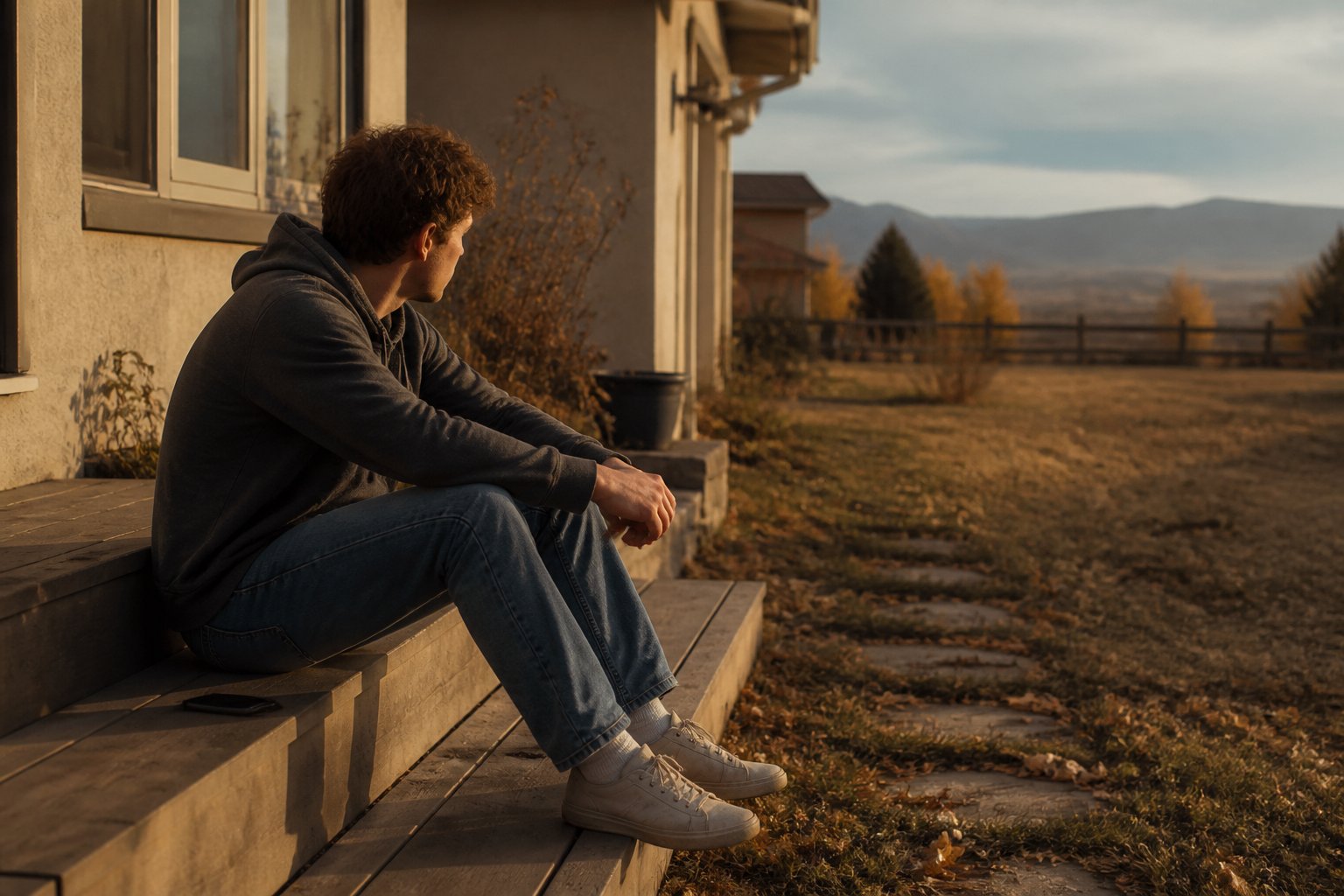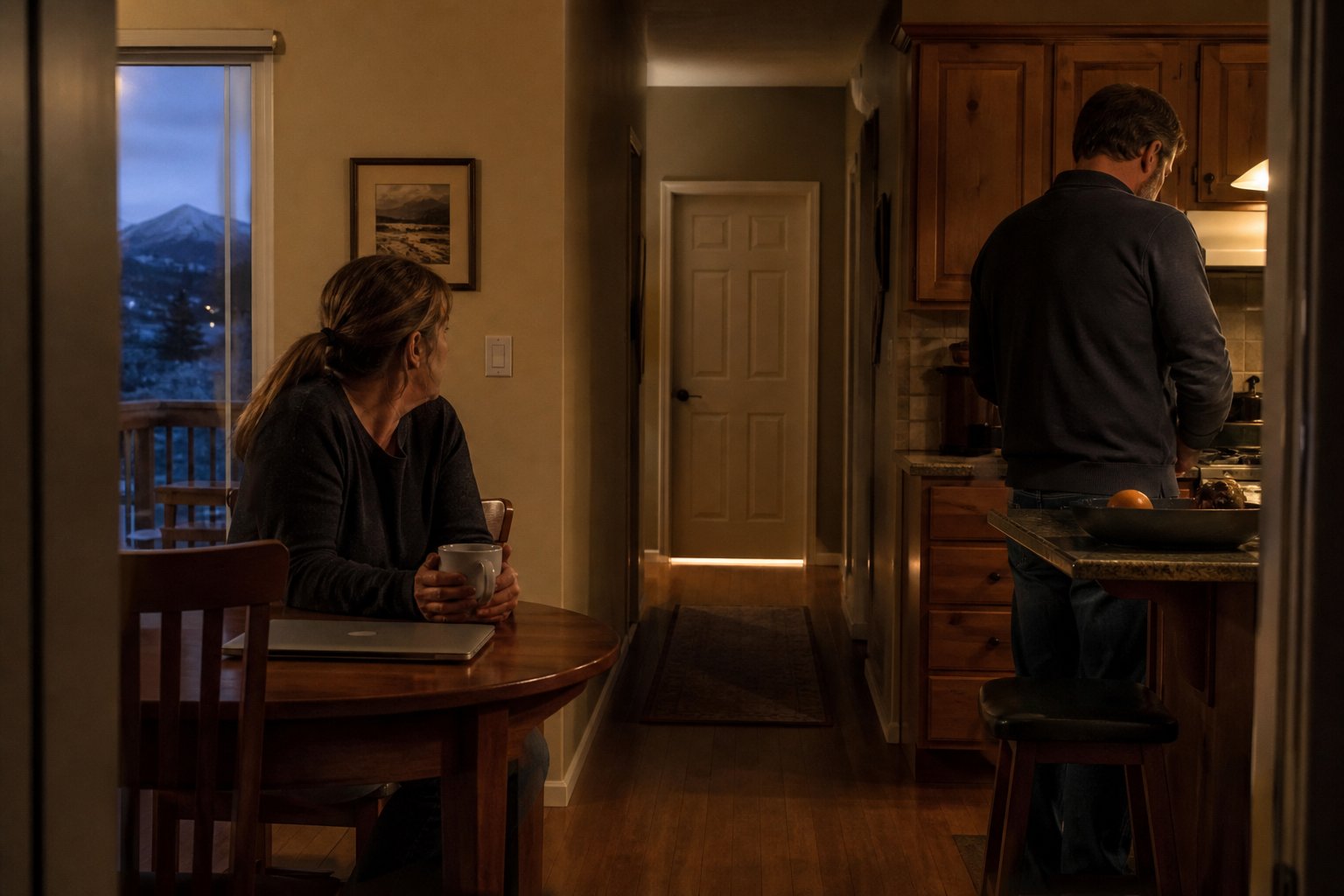

You’ve tried therapy. You’ve tried consequences, boundaries, patience, tough love, family meetings, medication adjustments. Your teenager or young adult is still stuck — maybe more stuck than before. And now you’re Googling wilderness therapy programs at 11 PM, scrolling through websites promising transformation in the Utah desert, trying to figure out if you should send your kid away for three months.
It feels extreme. It feels like giving up. It also feels like it might be the only thing left.
Here’s what I want you to know: wilderness therapy isn’t one thing. The Google results make it look like a binary choice — send them away to a $40,000 residential program or do nothing. But there’s more nuance here. Wilderness can be a powerful vehicle for change without requiring full removal from home, school, and community. And if you’re in Colorado, you have options beyond the industrial wilderness therapy model.
This post is about helping you understand what wilderness therapy actually is, when it genuinely makes sense, what the real limitations are, and what local alternatives exist that combine the transformative power of the outdoors with the relational depth of therapeutic mentoring.
What Wilderness Therapy Actually Is (And Isn’t)
Wilderness therapy is experiential, outdoor-based treatment that combines therapeutic work with physical challenge, natural consequences, and intentional removal from the environments where stuck patterns have calcified. It’s not summer camp. It’s not outdoor adventure tourism. And despite what some late-night TV ads might suggest, it’s not a boot camp.
The typical model: residential wilderness programs that last 4 to 12 weeks, with participants living in the backcountry — camping, hiking, learning survival skills — alongside licensed therapists and trained field guides. The young person is away from screens, substances, peer groups, and all the escape hatches that have allowed them to avoid facing what’s actually happening inside.
Wilderness therapy is designed to address severe behavioral issues, substance use, trauma, treatment-resistant anxiety and depression, self-harm, and complete refusal to engage in traditional therapy. It’s intensive, expensive, and disruptive by design. The disruption is the point.
The idea is that wilderness creates a specific kind of developmental threshold — a space where a young person can step outside the identity they’ve been performing and discover who they actually are when the noise stops.
What does wilderness do that traditional therapy can’t? Several things:
It Forces Presence
You can’t dissociate in the backcountry. There’s nowhere to hide. The cold is real, the hunger is real, the mountain doesn’t care about your excuses. Natural consequences replace abstract warnings.
It Builds Competence Through Real Challenges
Starting a fire with a bow drill, navigating by map and compass, carrying your shelter on your back — these aren’t metaphors. They’re actual accomplishments that rebuild a young person’s belief that they can do hard things.
It Strips Away Digital Escape
No phone, no gaming, no endless scroll. Just you and the landscape and the people you’re walking with. This creates space for reflection that’s nearly impossible to access in daily life.
It Marks a Threshold
Psychologically and mythologically, wilderness has always been the place where initiations happen. The hero leaves the village, faces the unknown, and returns changed. Wilderness therapy taps into that ancient pattern — separation, ordeal, return.
But here’s what wilderness therapy is not: it’s not a cure. It’s not a reset button that magically fixes everything. And it’s not the only way to access the developmental power of the outdoors.
When Wilderness Therapy Makes Sense
So when does a full residential wilderness program actually make sense? When is it worth the cost, the disruption, the emotional intensity of sending your child away?
Here are the situations where wilderness therapy is often the right call:
Traditional Therapy Has Stalled Out Completely
Not just “therapy didn’t work after six sessions” — but genuinely exhausted options. Multiple therapists, different modalities, consistent effort from both the young person and the family, and still no movement.
Your Teen or Young Adult Is Refusing All Engagement
They won’t talk. They won’t go to appointments. They’re actively hostile to any attempt to help. The oppositional stance has become the identity.
Substance Use Has Become the Primary Coping Mechanism
Not experimentation — but daily use, using to manage emotions, lying about use, loss of interest in everything that doesn’t involve getting high.
Safety Is a Genuine Concern
Self-harm that’s escalating, suicidal ideation with a plan and intent, violence toward self or others. When you’re genuinely afraid for your child’s life, intensive intervention becomes necessary.
The Home Environment Has Become Toxic
Sometimes the family system itself is stuck in patterns that reinforce the problem. A strategic separation — where everyone gets space to breathe and reflect — can create room for real change.
Your Child Needs a Developmental Threshold
Sometimes what looks like behavioral rebellion is actually developmental stuckness. They’re caught between adolescence and adulthood with no clear passage through. Wilderness therapy, done well, creates a rite of passage — something big enough to mark “before” and “after.”
Now here’s what I need you to hear: wilderness programs are expensive ($500 to $800 per day, often $30,000 to $60,000 for a full program), emotionally intense for everyone involved, and deeply disruptive to family life. They work best when three conditions are met:
- Traditional therapy and other interventions have genuinely been exhausted, not just tried once or twice
- The family can afford intensive aftercare — because wilderness alone doesn’t sustain change
- The young person is at least somewhat ready to engage — forced placements where the teen is completely unwilling are much, much harder
If those conditions aren’t met, wilderness therapy can still be powerful, but the chances of lasting change drop significantly.
The Downsides and Risks of Traditional Wilderness Programs
I’m going to be direct here, because parents researching wilderness therapy deserve honesty, not sales pitches.
Residential wilderness programs have real limitations and risks that don’t always make it into the marketing materials:
Cost
$30,000 to $60,000 for a 60- to 90-day program. Most insurance doesn’t cover it. Many families go into debt or drain college funds to pay for it. And that’s just the wilderness phase — the young person will need ongoing support when they return, which adds more cost.
Removal From Community
Wilderness programs take your child out of school, away from any positive peer relationships they might have, disconnected from sports teams or jobs or anything that was working. When they return, they’ve missed months of their life. For some young people, that discontinuity is worth it. For others, it creates more problems than it solves.
Variable Quality in the Industry
Some wilderness programs are excellent — licensed, ethical, clinically sound, genuinely transformative. Others have documented histories of abuse, lack proper clinical oversight, use coercive transport services to forcibly remove teens from their homes in the middle of the night, or operate more like boot camps than therapeutic environments. Parents need to do serious due diligence.
The Return Problem
This is the big one. Many young people have profound, powerful experiences in the wilderness. They feel stronger, clearer, more capable. And then they come home to the same family dynamics, the same school environment, the same peer group, the same triggers — and within weeks or months, they’re back where they started. Wilderness therapy doesn’t fail because the program was bad. It fails because there was no bridge between the wilderness experience and real life.
It Doesn’t Build Real-World Skills in Real-World Contexts
Your son might become excellent at building shelters and starting fires. That’s real competence, and it matters. But it doesn’t directly translate to getting a job, managing a schedule, navigating conflict with a roommate, or sitting through a difficult college class. The skills learned in the wilderness need intentional translation into the contexts where your child actually lives.
None of this means wilderness therapy is bad or doesn’t work. For some families, it’s exactly what’s needed. But it’s not a silver bullet. And for many families — especially those in Colorado with access to wilderness close to home — there are other ways to bring the transformative power of the outdoors into a young person’s life without full residential removal.
Local Alternatives: Wilderness + Therapeutic Mentoring
Here’s the question I wish more parents would ask: What if wilderness was part of the therapeutic work, but not the entire container?
What if your son could experience the benefits of outdoor challenge, embodied learning, tested competence, and threshold experiences — without leaving home for three months?
This is what therapeutic mentoring with wilderness as a core component looks like.
At Noble Mentors, we work with young men (teens and young adults) throughout Colorado’s Front Range who need something more embodied and relational than traditional therapy, but who don’t require 24/7 residential supervision. We use wilderness not as a location you send them to, but as a context where growth accelerates.
Here’s what that actually means in practice:
Weekly or Bi-Weekly Wilderness Outings
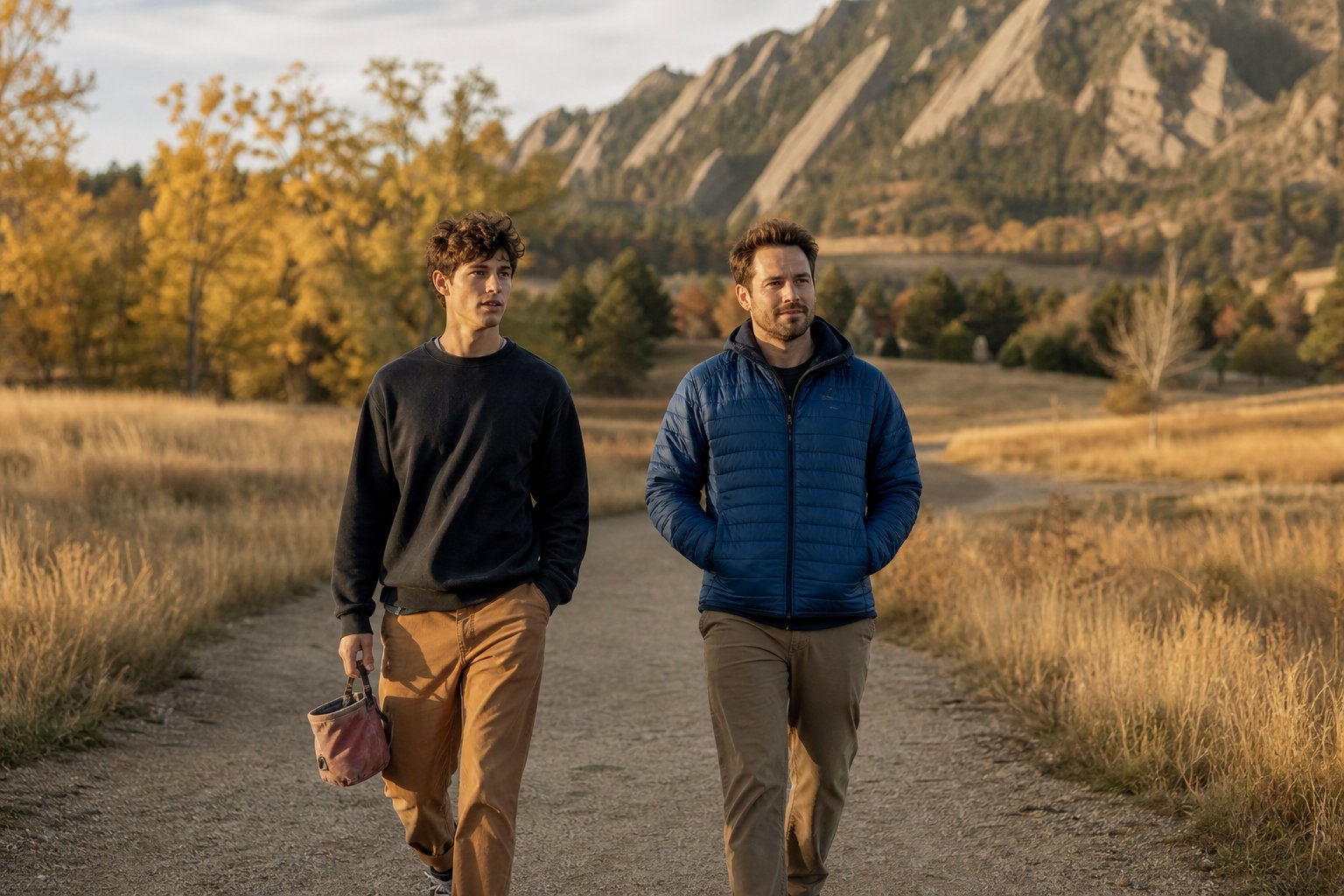
Hiking, camping, rock climbing, survival skills, navigation — integrated into an ongoing mentoring relationship. The wilderness isn’t separate from the rest of life. It’s where mentor and mentee go regularly to step outside routine, face real challenges, and talk about what matters.
Rites of Passage Programs
Multi-day intentional wilderness experiences designed as threshold moments — vision quests, solo time in nature, ceremonial marking of transitions from boyhood to manhood. These aren’t casual camping trips. They’re structured initiatory experiences that create the same kind of “before and after” that residential wilderness therapy promises. (Read more: What Is a Rite of Passage?)
Real-World Integration
The confidence built on a ridge at sunrise translates directly into job interviews, college classes, difficult conversations with parents. The resilience learned from sleeping cold and hiking through exhaustion shows up when facing rejection or failure. The wilderness work and the daily life work are connected from the beginning.
Stays in Community
No removal from school, peers, family, job. Change happens in the context of real life, with all its complications and imperfections. The young man learns to carry what he discovers in the wilderness back into his actual world — because he never left it.
Relational Foundation
The mentor relationship is the primary vehicle for transformation. Wilderness is the context where that relationship deepens and where growth accelerates. But the relationship continues through all the ordinary moments too — driving to appointments, sitting at a coffee shop, navigating conflict, celebrating wins.
Who does this model work for?
- Young men who need embodied, outdoor work but don’t require full residential treatment
- Families who can’t afford or don’t want $40,000 wilderness programs
- Teens and young adults who are stuck but not in acute crisis
- Young people who respond to challenge, adventure, and earned respect — not just talking
- Families who want their son to have the benefits of wilderness without losing continuity in school, community, and relationships
This approach won’t work for everyone. If your child is in acute crisis, actively using substances daily, or completely unwilling to engage, a more intensive residential program might be necessary. But for many young men, wilderness + mentoring offers the developmental threshold they need without the disruption and cost of full removal.
What to Look for in Any Colorado Wilderness Program
Whether you’re considering Noble Mentors, a residential wilderness therapy program, or another outdoor-based therapeutic option, here’s what you need to look for:
Must-Haves
- Licensed clinical staff. Not just “therapeutic” in a vague aspirational sense. Licensed professional counselors (LPC), licensed clinical social workers (LCSW), psychologists. They should be on-site or directly supervising the program, not just reviewing notes once a week.
- Accreditation by legitimate bodies. Look for membership in the National Association of Therapeutic Schools and Programs (NATSAP) or accreditation by the Association for Experiential Education (AEE). These aren’t perfect guarantees, but they indicate a baseline of ethical standards.
- Transparent safety protocols. How do they handle medical emergencies? What’s their evacuation plan? How do they screen field staff? What’s their policy on physical restraint? If a program won’t answer these questions clearly, walk away.
- Strong aftercare plan. The wilderness experience is the beginning, not the end. What happens when your child comes home? Is there ongoing therapy? Family support? Mentoring? A program that doesn’t have a clear aftercare strategy is setting your child up to regress.
Red Flags
- Promises of “cure” or “fix.” Legitimate programs talk about growth, development, skills — not magic transformations.
- Lack of family involvement. If the program doesn’t involve parents in therapy sessions, family workshops, or the transition home, that’s a problem. Change has to include the family system, not just the individual.
- No licensed clinical oversight. If it’s all “life coaches” or “mentors” with no clinical training, that’s not therapy. It might still be valuable, but know what you’re paying for.
- Coercive transport services or “tough love” rhetoric. Forcing a teen into a van in the middle of the night does not build trust or safety. It builds trauma.
- Programs that won’t let you speak to graduates or current families. Transparency matters. If they won’t connect you with people who’ve been through the program, what are they hiding?
- Vague descriptions of therapeutic work. What modality? Who’s licensed? How often do kids meet with therapists? If the website is all sunset photos and inspirational quotes but no substance, be skeptical.
Colorado-Specific Resources and Context
Colorado has both a strong outdoor culture and a legitimate community of experiential therapy programs. If you’re evaluating residential wilderness options and decide that’s the right path, there are reputable programs with presences in Colorado — Open Sky Wilderness and Second Nature are two that many Colorado therapists and educational consultants trust for families who genuinely need that level of intensity.
One of Colorado’s advantages: access to wilderness within one to two hours of most Front Range cities. You don’t have to send your child to Utah or Montana to access transformative outdoor experiences. The mountains are here. The trails are here. The ridges where a young man can sit at dawn and figure out who he’s becoming — those are here too.
For families who want outdoor experiential work without residential removal, that proximity matters. It means wilderness can be part of weekly life, not a separate three-month chapter.
Questions to Ask Before You Decide
Before you commit to any wilderness program — residential or local, intensive or integrated — ask yourself these questions:
- Has traditional therapy genuinely been exhausted, or does it need better support? Sometimes it’s not that therapy doesn’t work — it’s that the therapist wasn’t the right fit, or the family wasn’t engaged, or the young person needs something more active and experiential. Make sure you’ve actually tried what you think you’ve tried.
- Is my child in immediate crisis, or is this more about developmental stuckness? Crisis requires intensive intervention. Developmental stuckness often responds better to consistent relational support over time.
- Can we afford not just the program but the intensive aftercare required? If you drain your resources on the wilderness phase and have nothing left for ongoing therapy, mentoring, or family work after, the gains won’t hold.
- What happens when they come home? Will the family dynamics that contributed to the problem still be there? Has the family done their own work while the young person was away? If the environment doesn’t change, the young person probably won’t either.
- Are there local options that could provide outdoor experiential work without full removal? Sometimes the answer is yes. Sometimes it’s no. But it’s worth asking.
- What does my child actually need? Is it the wilderness, or is it a trusted adult who won’t give up on them? Is it the removal, or is it the challenge? Is it the program, or is it the rite of passage? Getting clear on the actual need helps you evaluate whether a $50,000 residential program is necessary or whether there’s another path.
A Different Kind of Threshold
Wilderness therapy can be powerful. For some young people, it’s exactly what’s needed — a threshold experience big enough to mark real change, a separation from old patterns that allows something new to emerge.
But it’s not the only way to bring the transformative power of the outdoors into your child’s life.
If you’re weighing options and wondering whether there’s something local, something relational, something that doesn’t require sending your son away for three months — there is.
At Noble Mentors, we offer therapeutic mentoring with wilderness as a core component. We guide young men through rites of passage in the Colorado mountains. We do the kind of grounded, embodied work that young men respond to — the kind that builds competence, resilience, and a clearer sense of who they’re becoming.
We work with teens and young adults who are stuck, struggling with failure to launch, caught between adolescence and adulthood with no clear path through. We don’t promise to fix them. We walk with them. We challenge them. We hold the line when they test boundaries, and we celebrate when they take real steps forward.
If that sounds like what your son needs, let’s talk.
We serve families throughout Colorado’s Front Range — Denver, Boulder, Fort Collins, Colorado Springs, and everywhere in between.
Schedule a Free Consultation →
Learn About Therapeutic Mentoring →
Read: What Is a Rite of Passage? →
About the Author
James Farmer
James Farmer is the founder of Noble Mentors. He has over a decade of experience mentoring teens and young adults through wilderness therapy, residential treatment, and private practice along Colorado’s Front Range.
Noble Mentors
Real help for this exact struggle
If this article hits close to home, our Sober Coaching and Therapeutic Mentoring pages show exactly how we walk alongside families like yours. Or start with an overview of therapeutic mentoring for teens and young adults.