
FOR YOUNG PEOPLE WHO FEEL OUTSIDE OF THINGS — AND THE PARENTS WATCHING IT HAPPEN
The world gets smaller quietly.
Declined invitations. A closed door. Group chats read and never answered. Social anxiety and isolation do not announce themselves — they shrink a young person’s world one avoided moment at a time. Noble Mentors helps sons and daughters find the way back in: one real relationship, one practiced skill, one room that finally feels safe to walk into.
Young adults 18 to 29 carry the highest rate of social anxiety of any age group — 9.1% in a given year.
A free 40-minute consultation call. No pressure, no obligation. If we are not the right fit, we will point you to who is.
THE LOOP
How the world gets small
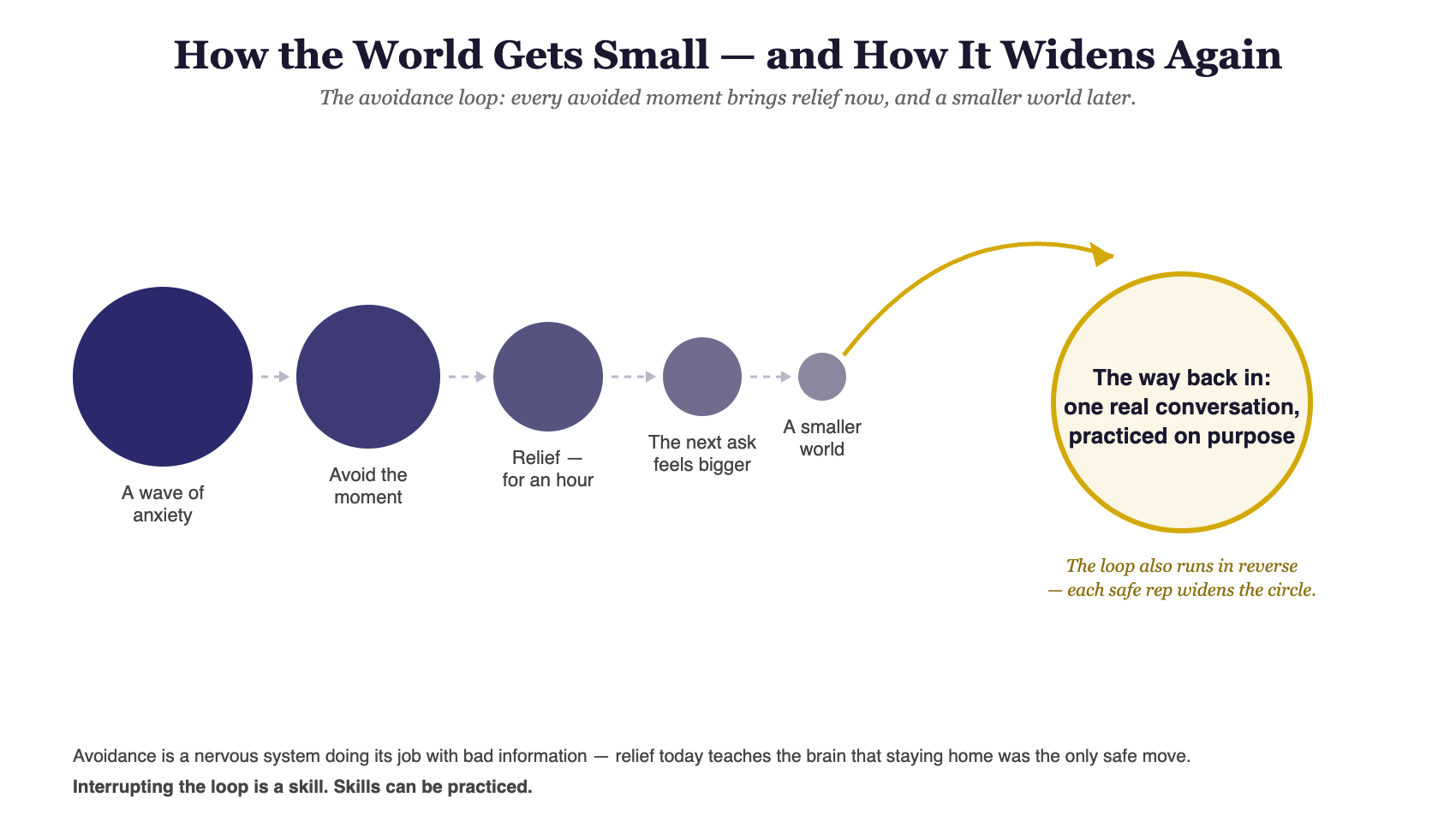
Avoidance works — for about an hour. Decline the invitation and the anxiety drops. Relief. But the brain quietly files the lesson: we were safe because we stayed home. So the next ask feels bigger, and the doorway narrower. Say no enough times and people stop asking.
Nobody chooses isolation. It accrues — one reasonable-sounding “not tonight” at a time. And it is not a character flaw. It is a nervous system doing its job with bad information. That matters, because a loop that was learned can be interrupted.
THE TURN
Connection is a skill. Skills can be practiced.
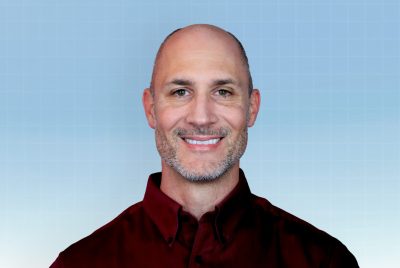
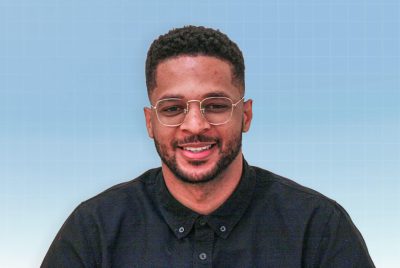
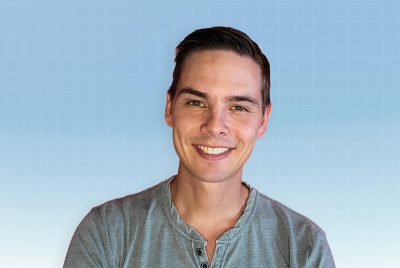
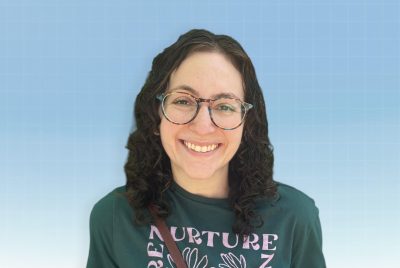
Nobody white-knuckles their way out of social anxiety by “just putting themselves out there.” The way back in starts smaller: one relationship where the stakes are low and the acceptance is real. That is what a Noble mentor is — an adult who shows up every week, takes your son or daughter exactly as they are, and becomes the safe ground where conversation stops being a performance.
Sessions rarely look like sitting across a desk. They look like climbing, trails, coffee, a shared project — conversation practiced sideways, which is how it actually gets easier. From that ground, the skills get named and worked: how to start, how to repair an awkward moment, how to survive the pause. Then small real-world reps — chosen together, never forced, moving only as fast as trust does.
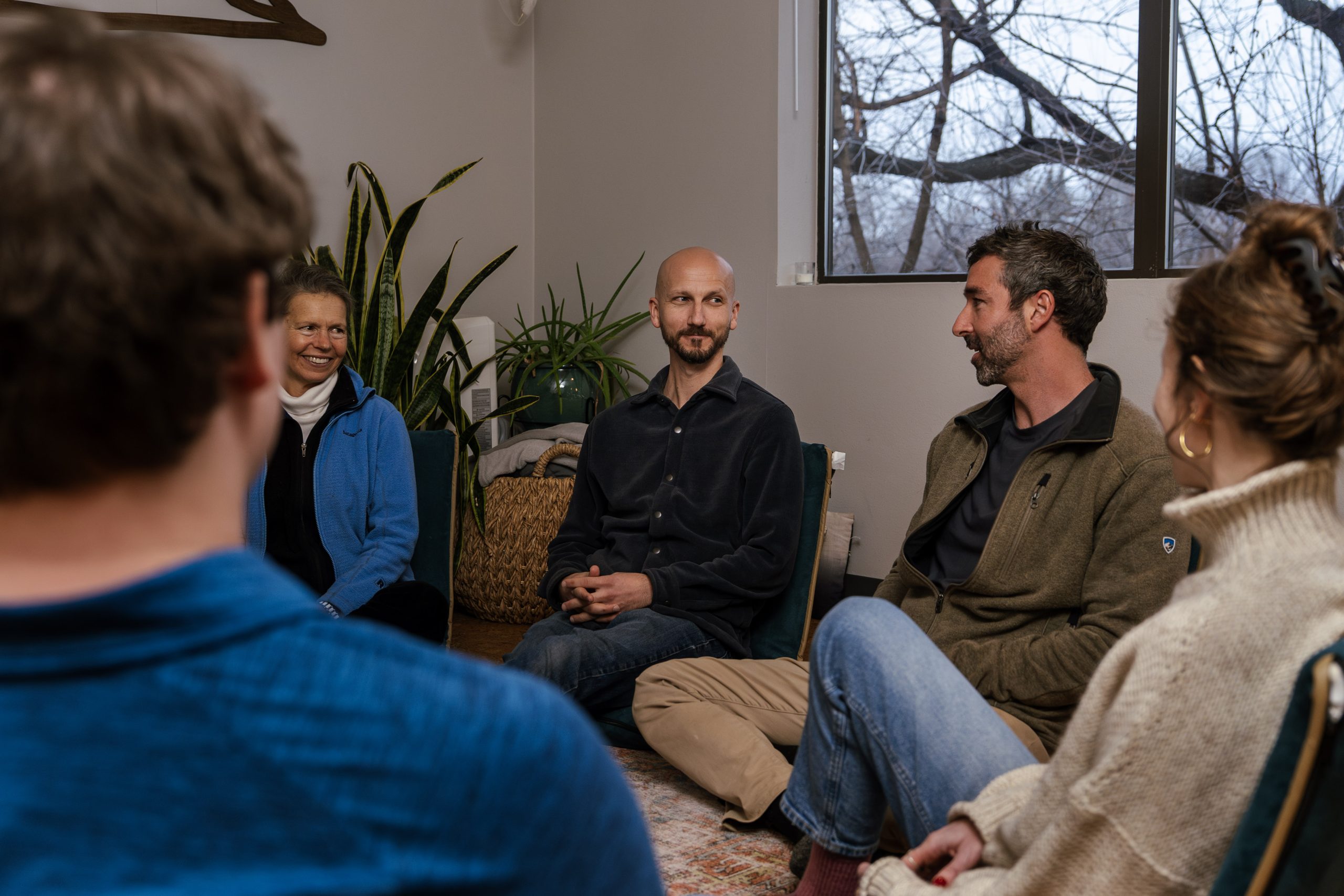
Practice looks like this — real conversation, low stakes.
OUR PARTNER

Colorado Connection Collective
A community built for practicing connection
Noble Mentors partners with the Colorado Connection Collective, a Boulder organization whose whole purpose is to facilitate direct experiences of deep and meaningful connection — and offer the tools to bring that way of being into all areas of life. They call it remembering the Grammar of Belonging: the learnable skills of listening, speaking, and attunement — staying connected to yourself while getting genuinely curious about other people. Every Noble Mentors client has direct access to their weekly events, trainings, and workshops.
This partnership is personal. Noble Mentors founder James Farmer is one of the Collective’s founders, and many of our mentors are founders or active participants in this community themselves. The rooms our clients walk into are rooms we helped build — full of people we already know.
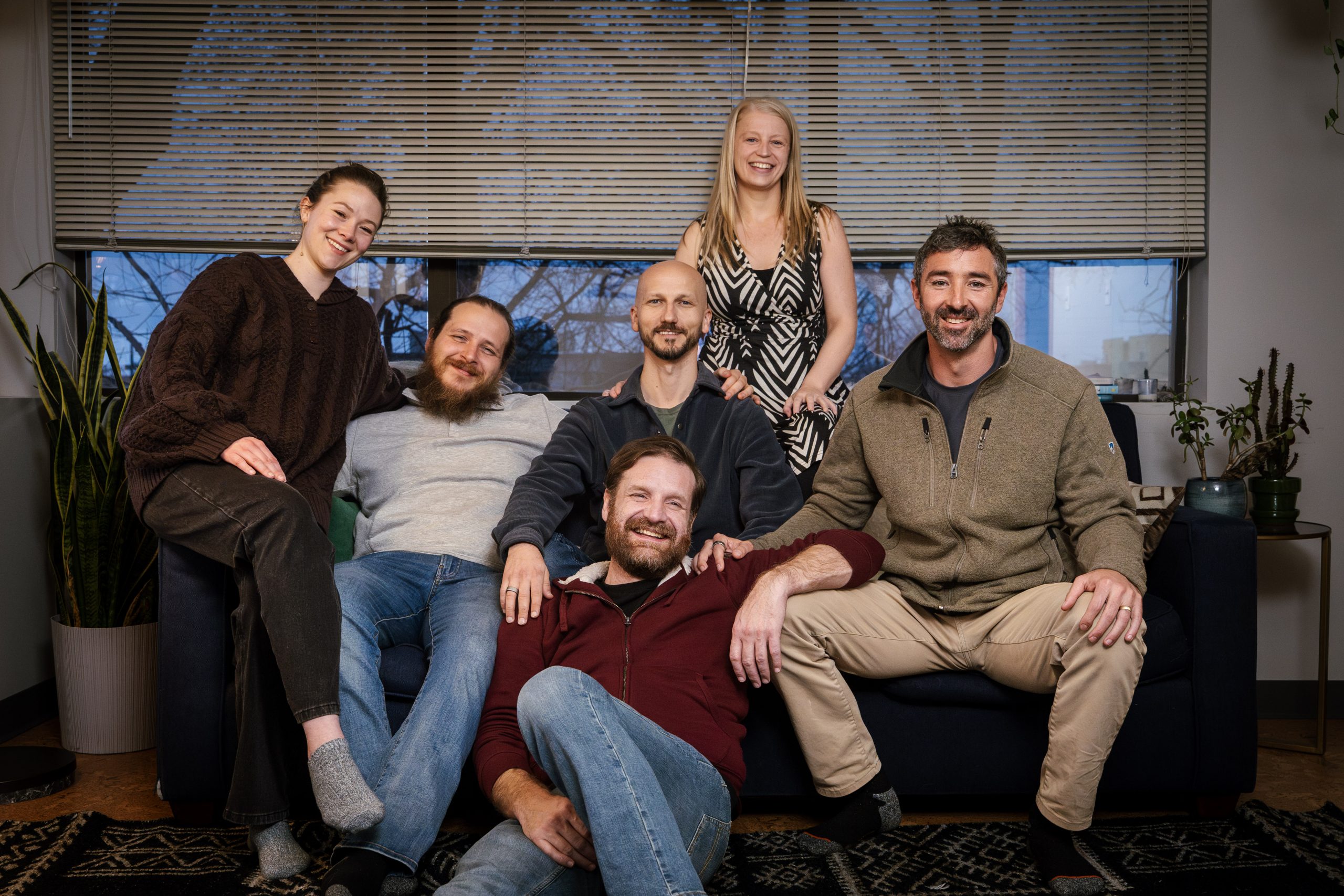
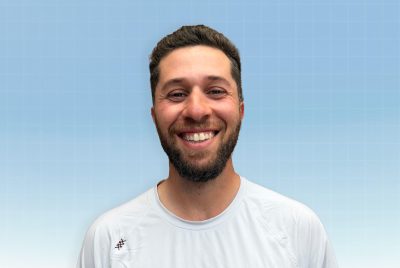
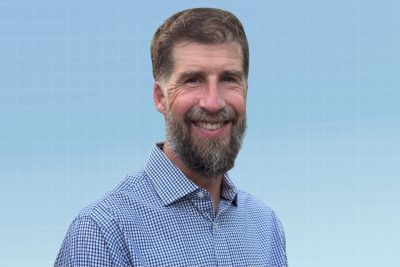
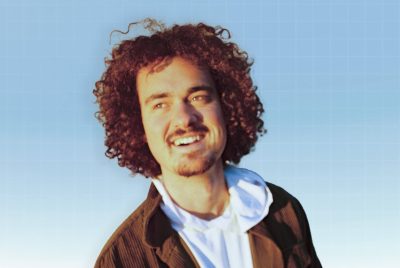
The Colorado Connection Collective team
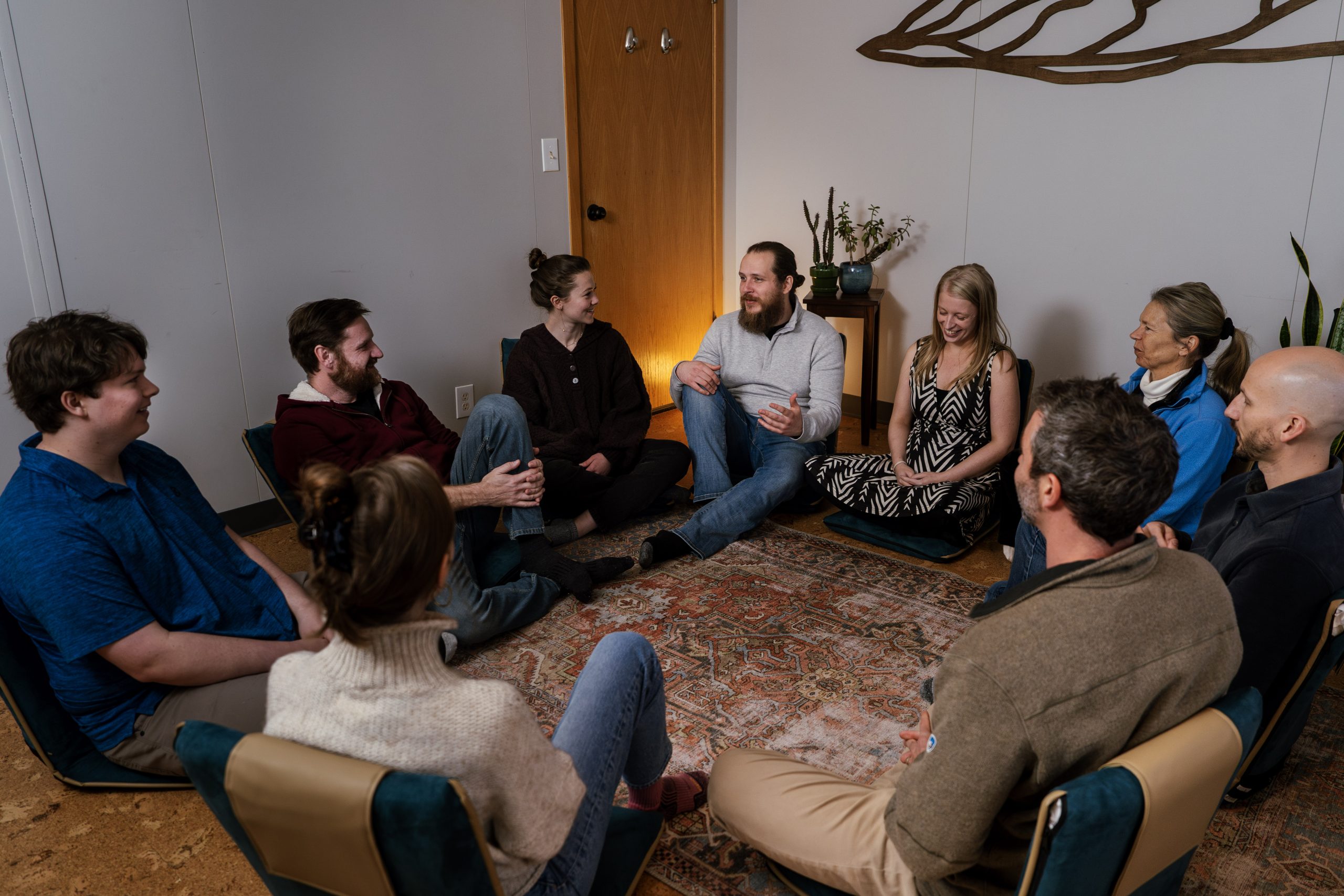
A Circling night at the Collective’s Boulder studio



The case for connection, in numbers
The Surgeon General compares chronic loneliness to smoking up to 15 cigarettes a day. Connection is not a luxury — it is health.
What the way back looks like
Composite stories — details are changed and combined to protect privacy.
The 20-year-old who came home from college. Her freshman year ended in a quiet retreat — classes online, meals in her room, a semester withdrawn. Her mentor started with walks, not pep talks. Then the two of them showed up at a Circling night together — and she stayed for the whole thing. This spring she moved back on campus, into a room she shares with a friend she chose.
The 16-year-old who stopped going. School refusal that began as stomachaches; a boy who talked easily online and nowhere else. His mentor met him inside the games he loved, then got him to the climbing gym — a room full of people where nobody has to make eye contact until they want to. Eight months later he is the one organizing the Friday session with two friends.
Different doors, same pattern: one safe relationship, skills practiced in real rooms, and a world that starts widening again.
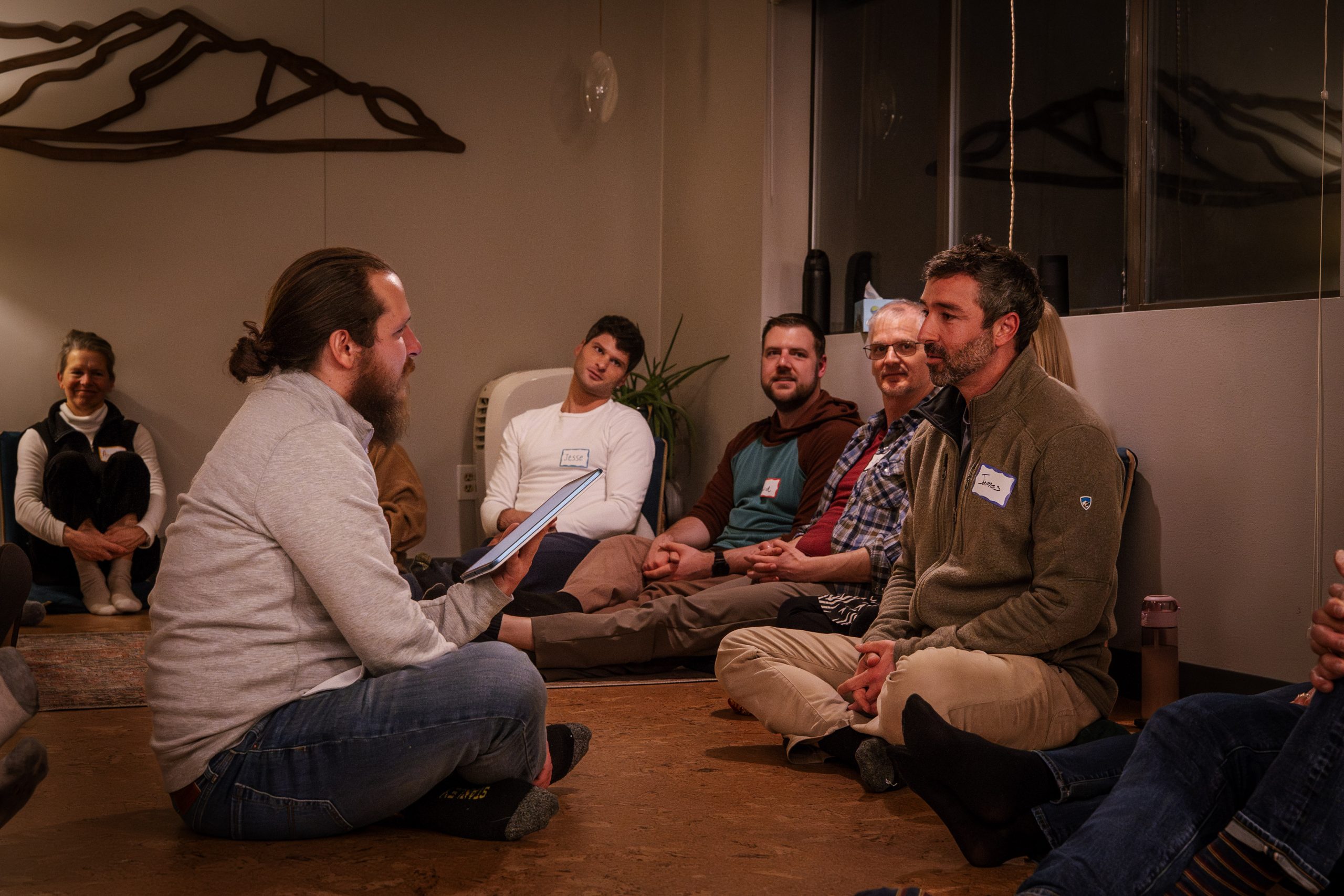
A facilitated session at the Collective
THE FIRST STEP, DEMYSTIFIED
What the free call is — and is not
For a young person whose world has gotten small, even the first step can feel like too much. So we made it as low-pressure as possible.
You make the call, not them
The free 40-minute consultation is with you. Your son or daughter does not need to be ready, willing, or even in the room.
No diagnosis, no commitment
It is a conversation about what is going on and whether we can help — not an intake, not a sales pitch.
A clear next step either way
If we are not the right fit, we will say so and point you to who is. You will leave knowing more than you started with.