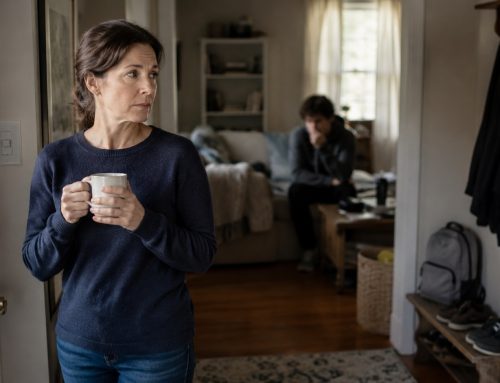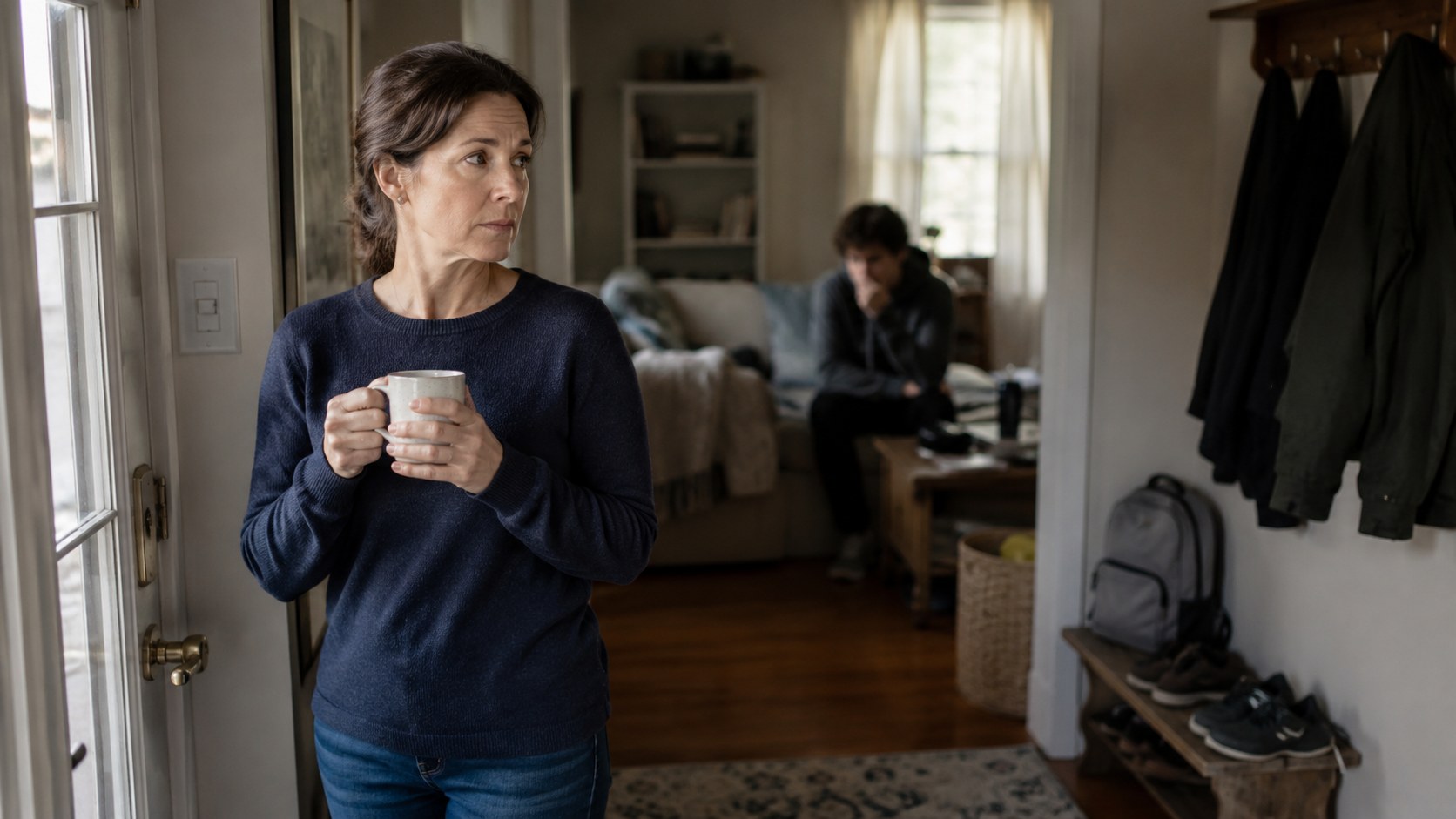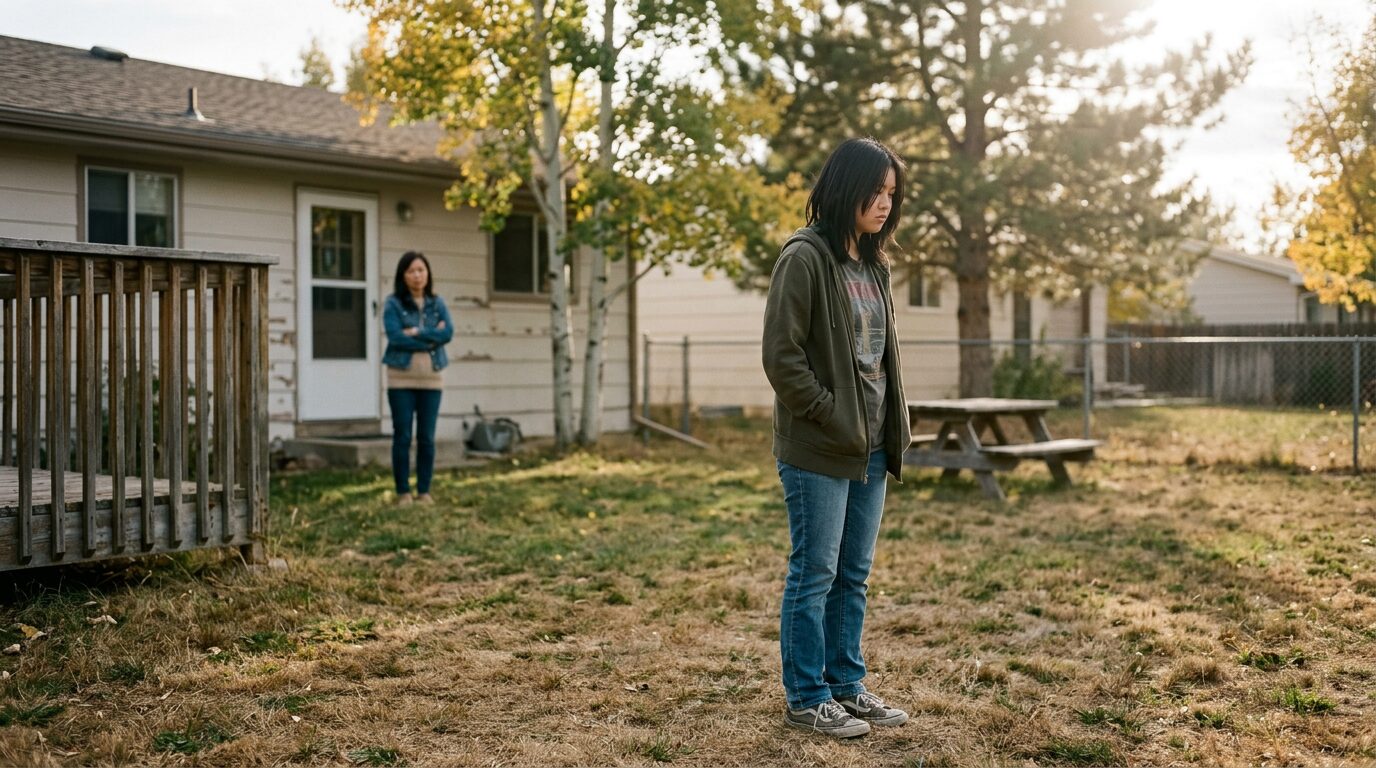

Your child came home from residential treatment different. Calmer. More self-aware. Talking to you in ways they hadn’t in years. You felt something loosen in your chest for the first time in a long time.
Then the weeks passed. The structure dissolved. The old friends reappeared. And you started noticing the familiar patterns creeping back — the withdrawal, the irritability, the resistance. You’re not panicking yet, but you’re watching. Carefully.
This moment has a name in the clinical world: the aftercare gap. It’s the period between discharge and fully re-integrated real-world functioning, and it’s where a lot of the work done in residential gets quietly undone. Not because the program failed. Not because your child didn’t try. Because the environment changed completely and the support didn’t transfer with it.
What happens next matters as much as what happened inside the program.
Why the Transition Home Is So Hard
Residential treatment works partly because it controls the environment. The schedule, the peer group, the staff, the meals, the morning check-ins. Every element is designed to support change. Your child wasn’t just doing therapy. They were living inside a container built to hold them while they reorganized.
Home doesn’t have that container. Home has the same room, the same school, the same friends, the same family dynamics that were part of the original struggle. That’s not anyone’s fault. It’s just the nature of returning.
The research on substance use treatment supports this clearly. According to SAMHSA, continuing care after residential treatment significantly reduces relapse rates. The same principle holds for mental health, behavioral challenges, and any intensive treatment program. What happens in the weeks and months after discharge shapes how much of the treatment actually sticks.
Your child learned skills in residential. They need somewhere to practice those skills. That somewhere is the real world, and they need support in it.
What Good Aftercare Actually Looks Like
A lot of families walk out of discharge meetings with a therapist referral and a follow-up appointment six weeks out. That’s a starting point, not a plan. Effective aftercare for after residential treatment involves several overlapping layers of support.
1 Outpatient therapy
Continuing individual therapy allows your child to keep processing in a clinical setting. This is essential. But therapy is one hour a week. It can’t hold the other 167 hours.
2 Consistent structure and routine
Sleep schedules, meals, daily movement, purpose. These aren’t luxuries. They’re the scaffolding that kept things stable in residential, and they need to be rebuilt at home in a way that actually fits real life.
3 A trusted adult relationship outside the family
This one often gets missed. Your child needs someone who isn’t their parent, isn’t their therapist, and isn’t a peer. Someone who will show up consistently, take them seriously, and walk alongside them in their actual life.
4 Parent support and family recalibration
The family system needs to shift to meet the person who came home. Old patterns on both sides can pull everyone back to where they were before the program. Family therapy and parent coaching matter here.
The Relapse Risk Is Real (and Preventable)
If your child’s residential stay involved substance use, you’ve probably already heard about relapse risk. The National Institute on Drug Abuse notes that relapse rates for substance use disorders resemble those of other chronic conditions like diabetes and hypertension. Relapse doesn’t mean treatment failed. But it does mean the window after discharge is especially important.
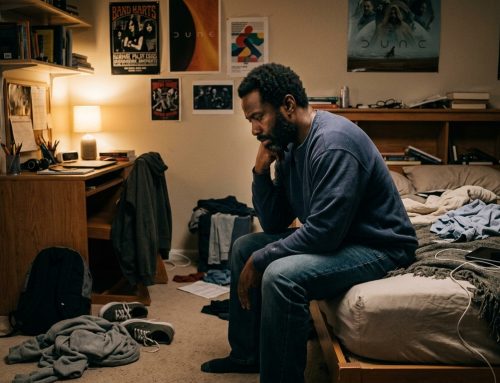
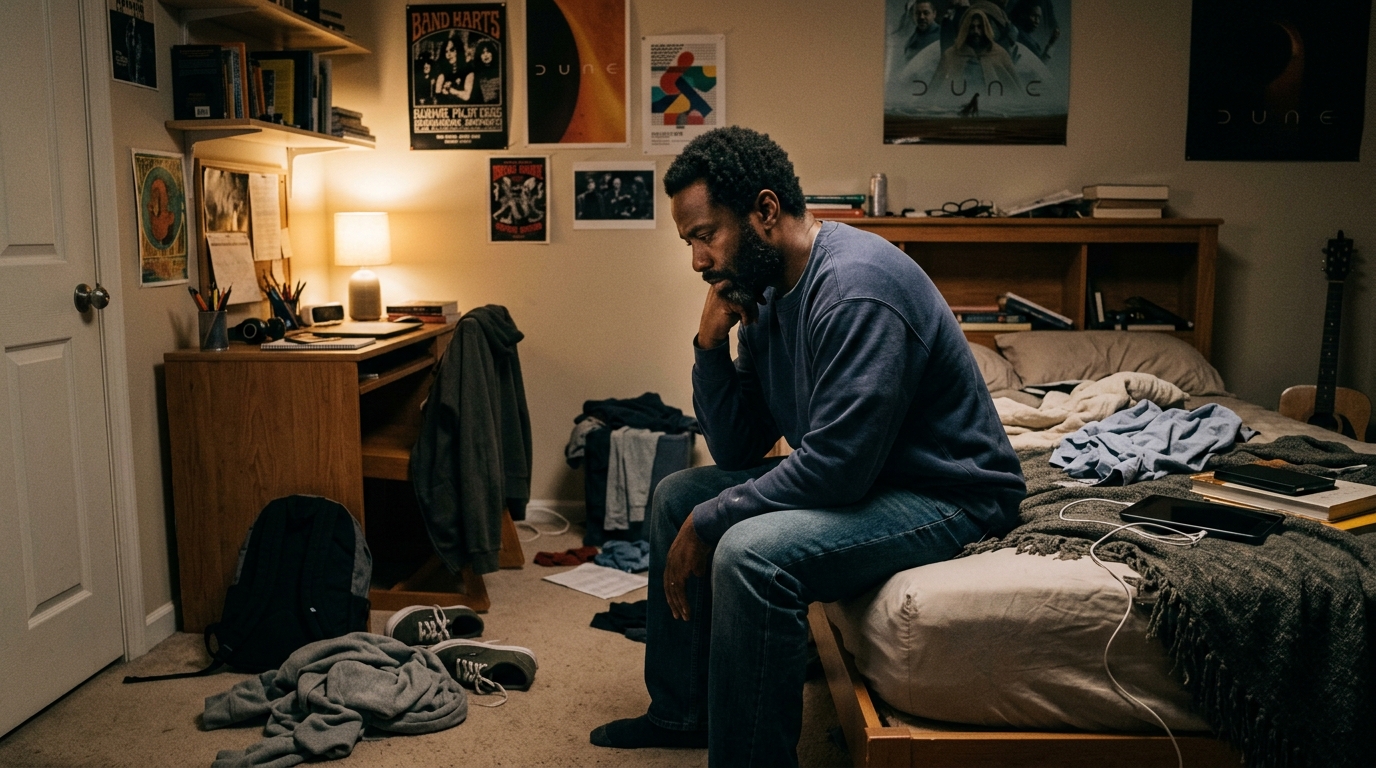
The same pattern applies beyond substance use. A teen who learned to manage anxiety in a therapeutic setting may find those skills overwhelmed when they’re back in a school hallway, facing the same social dynamics they struggled with before. A young adult who built daily structure in a residential program may fall apart when they’re back in their childhood bedroom with no schedule and too much free time.
Progress doesn’t disappear after residential treatment. It goes underground. Whether it surfaces again depends heavily on whether your child has someone to help them apply it in the real world, in real time. That person isn’t usually the therapist. It’s often a mentor.
This is not a failure of will. It’s a gap in support. Filling that gap, deliberately and quickly, is the job of aftercare.
What Families Often Miss in the First 90 Days
The first 90 days after discharge are the most vulnerable window. Here’s what commonly goes wrong in that period:
Assuming the therapy referral is enough. One hour of outpatient therapy per week leaves a lot of unstructured time. Your child needs more touchpoints than that, especially early on.
Returning to the same peer group immediately. The people your child was spending time with before residential are still there. Some of them may be actively working against the changes your child made. This doesn’t always mean cutting off those friendships permanently, but the timing and pace of re-engagement matters.
Family patterns snapping back into place. You’ve been through something hard too. It’s easy to fall back into the old roles, the old arguments, the old dynamics. Your child changed in the program. The question is whether the family changes with them.
Treating discharge as the finish line. The program wasn’t the destination. It was preparation. Everything after discharge is where the real application happens. Families who understand this are better equipped for the transition.
How Mentoring Supports the Transition After Residential
Therapeutic mentoring is specifically built for moments like this. Not instead of therapy, but alongside it. A mentor meets your child in their actual life, not in an office. They go on walks, do errands together, sit in coffee shops, work on job applications, show up for hard conversations on a Tuesday afternoon.
This kind of consistent, relational presence is something that residential programs provide built-in, and that evaporates on discharge day. A mentor fills that space in a sustainable, real-world way.
Noble Mentors works with families navigating the aftercare window. If your child came home from wilderness therapy or a residential program, and you’re watching for signs the progress is slipping, a mentor can be the bridge that keeps things moving forward. Our mentors work with clinical oversight in consultation with your child’s treatment team.
You can read more about our step-down and aftercare support for families and treatment providers to understand how this fits into a broader care plan. Our mentor Jake works specifically with teens and young adults in transition, including those coming out of intensive programs.
For families where a return to independent living hasn’t been successful, it’s worth understanding what live-in mentoring involves as a more intensive step-down option.
When to start aftercare support
Don’t wait until you see signs of regression to set up aftercare support. The best time to connect your child with a mentor is before discharge, or in the first week or two after they come home. Getting ahead of the gap is far easier than closing it after it’s opened.
Questions Parents Ask About After Residential Treatment
How long does aftercare support usually last?
It varies by what the young person needs, but a meaningful transition window is typically six to twelve months. Some families continue mentoring longer if it’s clearly working. The goal isn’t to create dependency. It’s to build the internal structure and external supports that eventually make intensive support unnecessary.
What if my child doesn’t want a mentor?
This is common. Your child may feel like they’ve “done the work” and want to prove they can manage independently. That’s worth respecting while also being honest about what you’re seeing. Mentoring doesn’t have to be framed as additional treatment. It can be framed as support from someone who’s genuinely in your corner, not managing you. A good mentor earns trust through showing up, not through programming.
Can a mentor work with my child’s therapist?
Yes. Noble Mentors mentors coordinate with clinical teams, with clinical oversight from our Clinical Director, Joseph DeNicholas, LCSW. Good communication across the care team matters especially during transitions.
What if things were going okay and then suddenly aren’t?
This is normal and doesn’t mean the program failed. Change isn’t linear. If you notice a regression, it’s a signal to increase support, not to panic. This is a good moment to look at signs your teen may need more than weekly therapy and consider what additional layers of support make sense.
Is Noble Mentors able to receive referrals directly from residential programs?
Yes. We work with treatment programs, wilderness therapy providers, educational consultants, and therapists as referral partners. Our care provider page has information about how that process works.
Serving Colorado’s Front Range
Noble Mentors works with families navigating the transition home after residential treatment, wilderness therapy, and intensive outpatient programs. We provide step-down mentoring support that bridges the gap between structured treatment and independent real-world functioning.
We serve families in Denver, Boulder, Broomfield, Arvada, Thornton, and across the Boulder-Denver corridor. We also work with families virtually anywhere in the country.
Based in Lafayette, CO. Schedule a free 40-minute consultation to learn how we can help your family.
About the Author
James Farmer
James Farmer is the founder of Noble Mentors, a therapeutic mentoring organization along Colorado’s Front Range. With over 15 years of experience mentoring teens and young adults through pivotal transitions, James trains and supervises a team of mentors committed to transformation through genuine relationship. He believes that real growth happens not in an office, but in the actual terrain of a young person’s life.